top of page

REGULATORS



Frequently Asked Questions
Beverage Gas Regulators FAQ
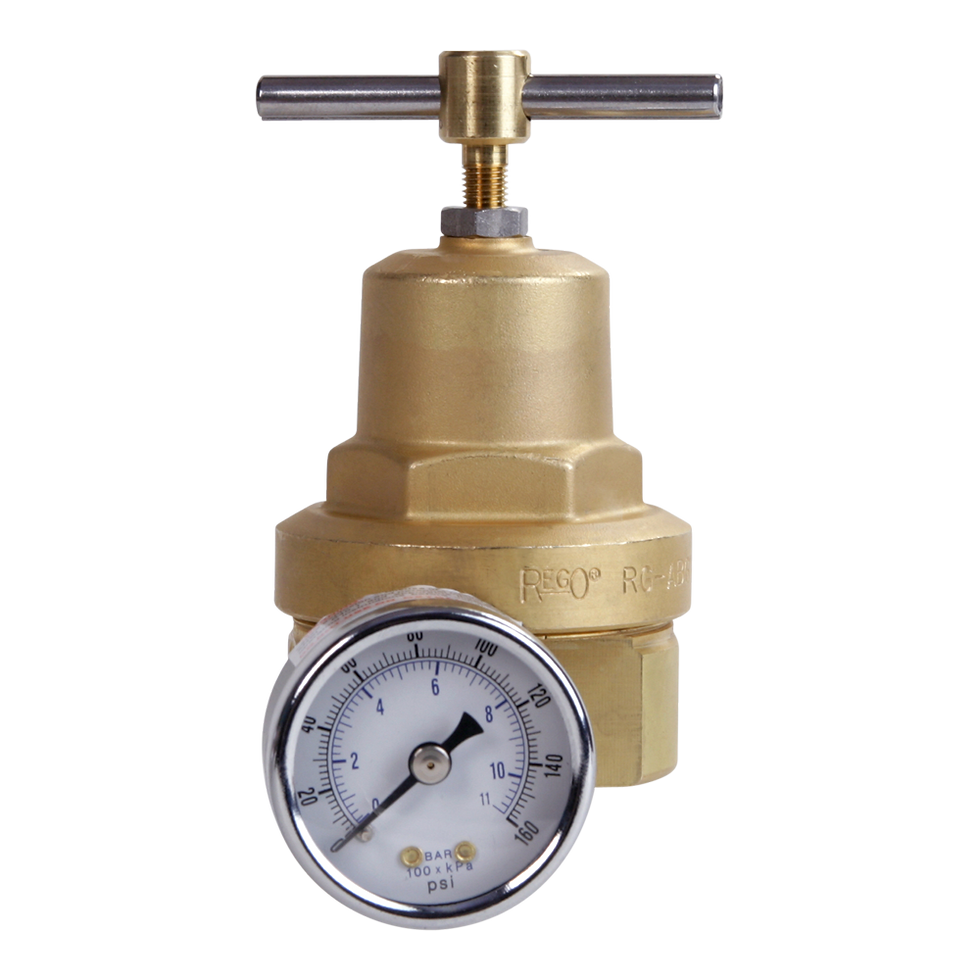
Milcarb supplies regulators for CO₂, nitrogen, blended gases, and many industrial gas applications. Our selection includes primary regulators, secondary regulators, specialty regulators, and replacement regulators for beverage, industrial, welding, bulk tank, and other compressed gas applications.The correct regulator depends on factors such as the gas being used, inlet and outlet pressure requirements, flow requirements, and connection style. MilCarb can help identify the appropriate regulator based on your equipment and application.
A primary regulator connects to the main gas supply and reduces the incoming gas pressure to a lower, more manageable pressure for the system. Depending on the application, the incoming pressure may be very high, such as when the regulator is connected to a high-pressure CO₂ or nitrogen cylinder.A secondary regulator is installed downstream of the primary regulator and provides more precise pressure control for the equipment being supplied. In beverage applications, secondary regulators are commonly used to reduce the pressure further to the specific operating pressure required by equipment such as a keg or other point-of-use application.Using primary and secondary regulation allows the main gas supply to serve the system at one pressure while individual pieces of equipment can be regulated to the lower pressures required for their specific applications.
Choosing the correct replacement regulator starts with understanding the application and the pressures the regulator needs to handle. Important information includes the gas being used, incoming supply pressure, required outlet pressure, connection type, and the equipment or system the regulator is serving.It is also important to identify the function of the existing regulator. For example, regulators used on bulk gas systems may perform different functions, such as pressure-building or economizer regulation, and should be replaced with a regulator designed for the same purpose and operating conditions.If the original part number is available, it can be helpful when identifying a replacement. If it is not, MilCarb can often help determine an appropriate regulator based on the application, operating pressures, connections, and function of the existing regulator.
Gas regulator connections vary depending on the gas supply and application. CO₂ cylinder regulators commonly use a CGA-320 connection, while nitrogen cylinder regulators typically use a CGA-580 connection.Mixed or blended gas cylinders may use either connection depending on the gas supplier and regional practices, so the cylinder connection should always be confirmed before selecting a regulator.For regulators installed as components within a gas system, 1/4" NPT connections are common. Some higher-flow applications or systems using larger tanks may require 1/2" NPT connections to accommodate the equipment and flow requirements.Because connection type is only one part of selecting the correct regulator, the gas service, operating pressures, flow requirements, and application should also be considered when choosing a regulator.


bottom of page